If you’ve been tracking the mobile market lately, you probably noticed that things have felt unusually quiet for a mid-year cycle. Usually, July is the time when tech brands drop massive flagship refreshes or insane experimental concepts.
This year, things are playing out differently. Due to skyrocketing supply-chain costs—with memory, storage, displays, and silicon prices going through the roof—manufacturers are getting incredibly cautious.
Instead of chasing flashy gimmicks, the July 2026 lineup is focusing purely on durability, massive battery capacities, and daily usability. Let’s break down the major devices dropping this month and see if they are worth your hard-earned cash!
1. REDMI Note 17 Series: A Monstrous 9,000mAh Battery?!
Word on the street is that Redmi is completely skipping the “Note 16” moniker to align directly with Xiaomi’s core numbering system. But the real headline here isn’t the name—it’s the absolutely insane battery capacity.
According to the latest leaks, the Redmi Note 17 is pushing the boundaries of endurance. Here is what we are looking at:
The Battery Beast: It features a mind-blowing 9,000mAh battery. This thing is practically a power bank with a screen attached.
The Processor: It will run on a highly efficient Qualcomm Snapdragon 6 Gen 5 chipset. Built on TSMC’s 4nm node, its performance matches the Snapdragon 7s Gen 3 but with much better thermal efficiency.
The Display & Audio: You get a 1.5K OLED flat panel and high-volume dual speakers.
Build Quality: To survive the offline market, it will pack heavy-duty drop resistance and premium waterproofing.
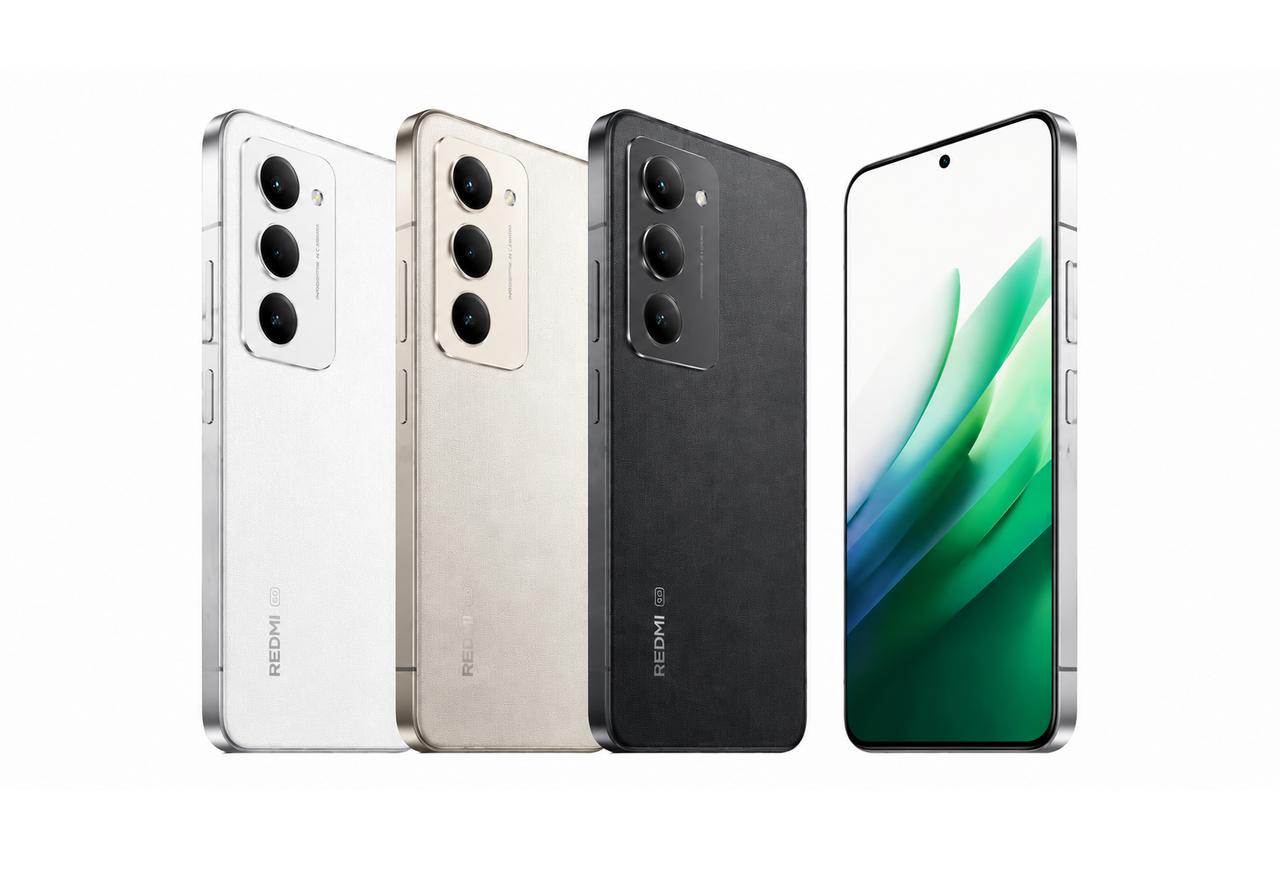
The Catch: Packing a 9,000mAh battery alongside robust armor means this phone is going to be thick and heavy. To keep pricing down in this expensive market, rumors suggest Redmi might even launch a base 6GB RAM version alongside the standard 8GB+128GB configuration.
2. iQOO Z11i: A Literal Blast from the Past
If you want to see exactly how supply chain inflation impacts budget phones, look no further than the iQOO Z11i, launching on July 3.
When the first spec sheets leaked, many of us thought it was a typo. In 2026, iQOO is actually bringing back the old-school teardrop notch (水滴屏) and thick plastic screen brackets.
The Display: A 720p panel with massive “ship-anchoring” bezels and a chunky bottom chin. On the bright side, it does support a 120Hz refresh rate.
Under the Hood: Snapdragon 4 Gen 2 processor, a 6,500mAh battery, and slow 15W charging.
The Cameras: It features a basic 13MP main camera. The secondary rear lens is entirely decorative.
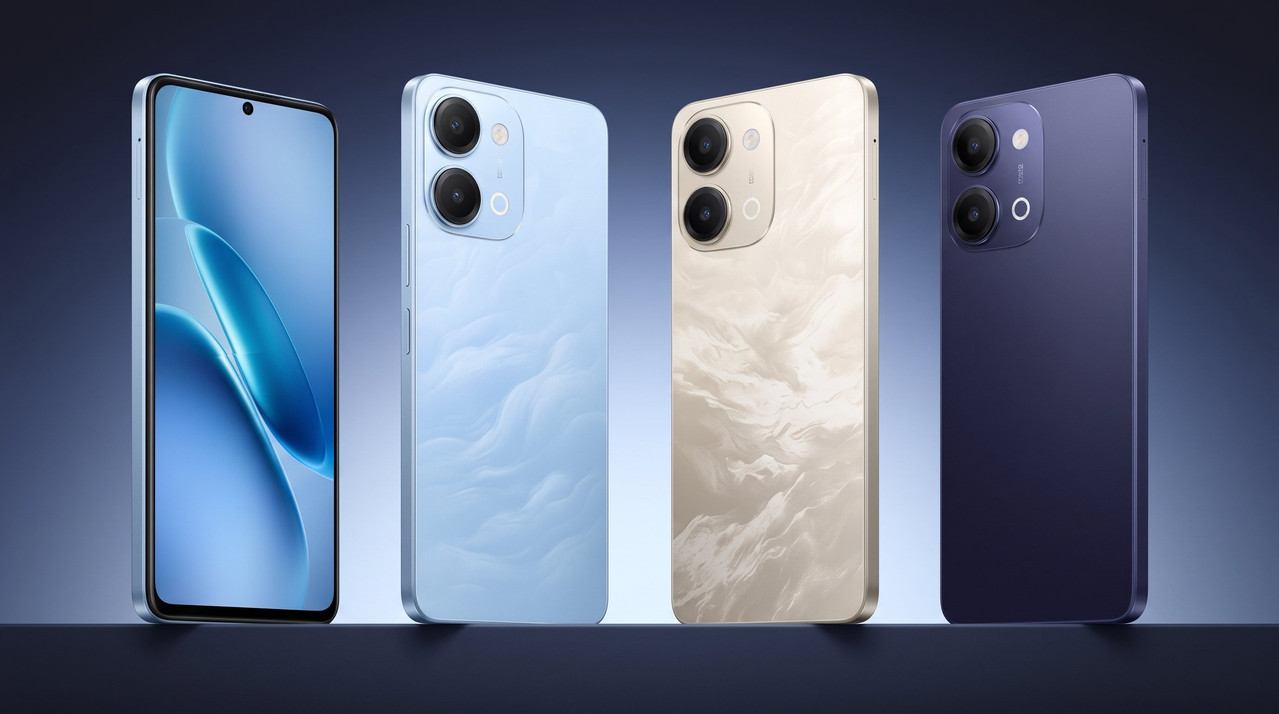
The Verdict: While tech enthusiasts might laugh at a 720p teardrop notch today, this device is hyper-targeted for offline retail buyers who prioritize cheap pricing, long battery life, and rugged IP65-rated builds over modern aesthetics.
3. Samsung Galaxy Z Fold 8: Finally Fixing the Aspect Ratio
The most anticipated launch of the month is undoubtedly Samsung’s next-gen foldable lineup. While rumors point to a super-premium “Ultra” variant with a 200MP camera, the real hero for daily use will be the standard Galaxy Z Fold 8 Wide.
Samsung is finally ditching the awkwardly narrow, TV-remote-style outer screen that has frustrated users for generations.
Better Aspect Ratios: The Fold 8 transitions to a wider form factor. It sports a 5.5-inch outer screen with a comfortable 16:10 ratio, opening up to a 7.6-inch AMOLED 2X inner display with a classic 4:3 layout.
Ultra-Thin Engineering: When unfolded, the device is an incredibly slim 4.5mm (9.7mm when folded) and weighs just 201 grams.
Performance: Powered by a custom Snapdragon 8 Elite Gen 5 chip, paired with 12GB of RAM and up to 1TB of storage.
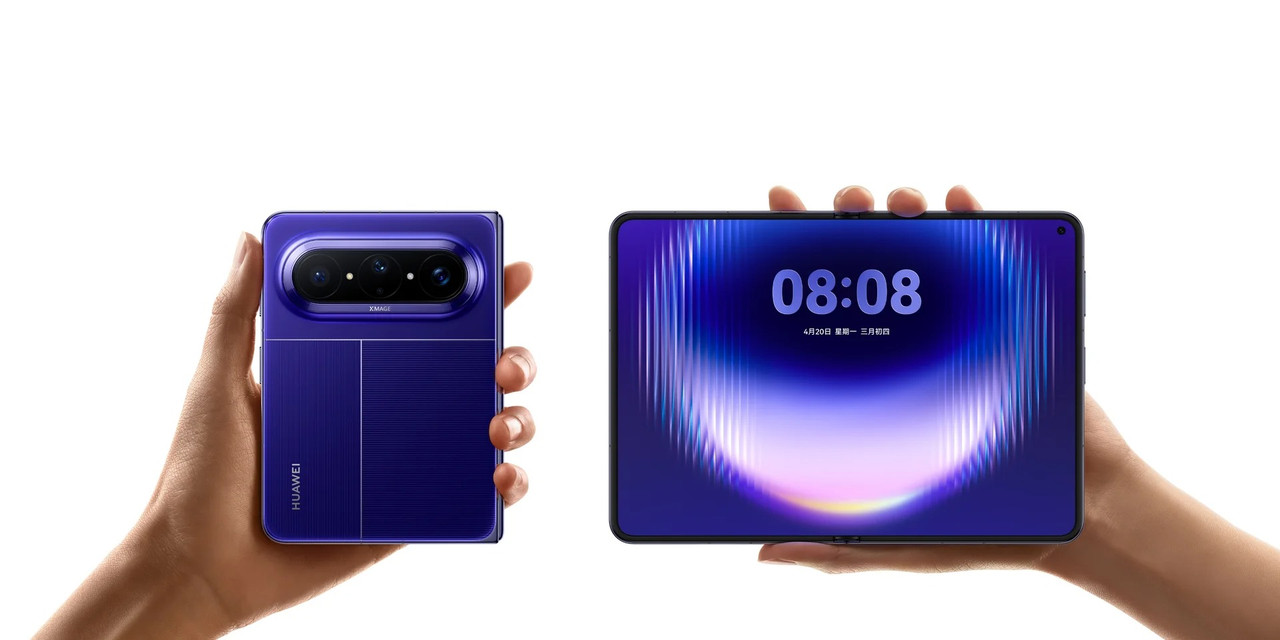
The Takeaway: The camera array takes a slight hit (50MP + 50MP setup) and the 4,800mAh battery isn’t breaking records. However, fixing the external screen layout makes this the most practical, pocketable, and genuinely usable Galaxy Fold to date.
4. Nothing Phone (4b): Mass Market vs. Brand Identity
Nothing has locked in July 7 for its next hardware event, introducing a new entry-level smartphone tier: the Nothing Phone (4b).
Nothing originally captured our hearts by being delightfully weird, thanks to transparent backs, clean software, and flashy Glyph LED arrays. The Phone (4b), however, is taking a much more corporate, mass-market approach.
Expected Specs: Snapdragon 6 Gen 4 silicon, a 5,000mAh battery, and a standard 50MP main shooter.
The Design Shift: Leaked renders reveal a far more conventional look. It features a center punch-hole cutout, slightly thicker bezels, and a heavily trimmed-down, simplified Glyph lighting array.
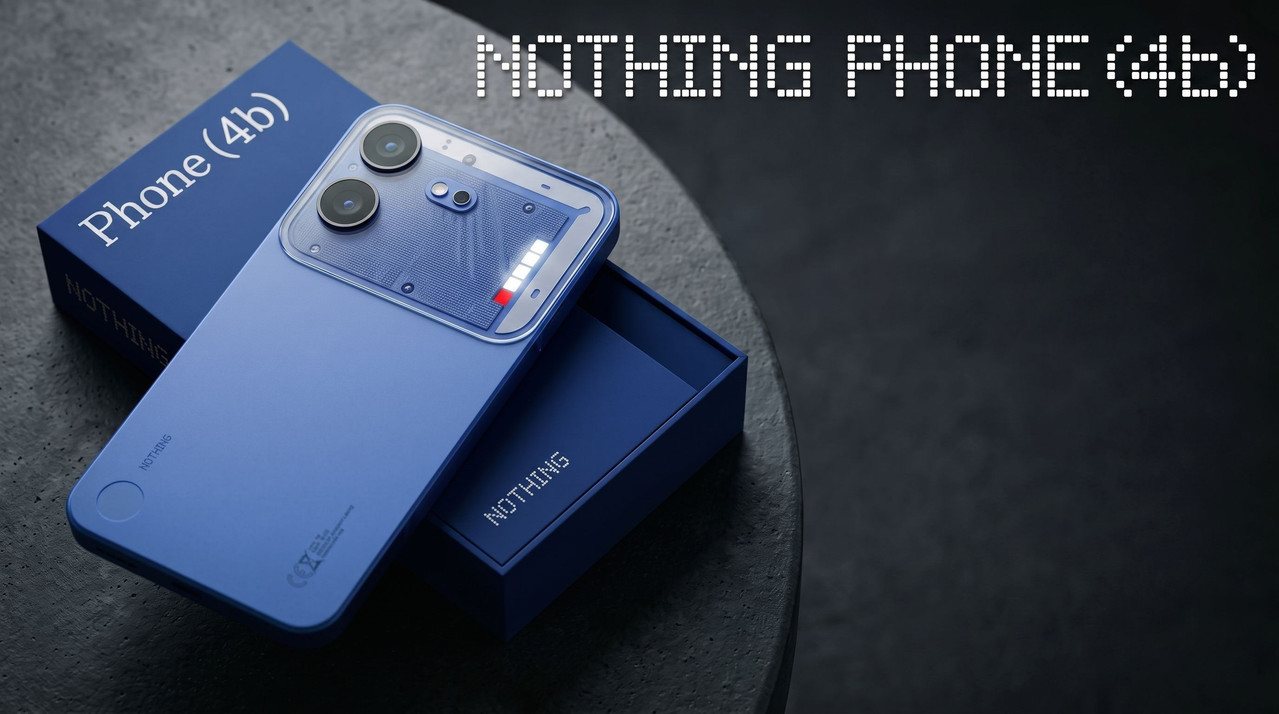
The Challenge: When a boutique brand scales down to compete on price, it inevitably sacrifices the unique design elements that made it cool in the first place. Without its signature aesthetic edge, Nothing will have a tough time fending off spec-heavy value champions from Redmi, realme, and iQOO in global markets.
Over to You!
With component price hikes hitting the mobile industry hard, manufacturers are shifting their focus toward bulletproof durability and massive battery capacities rather than raw, unoptimized power.
Which strategy do you prefer? Are you down to rock a heavy 9,000mAh Redmi device, or are you saving up for Samsung’s newly redesigned wide foldable?
Drop your thoughts in the comments below! 👇
